
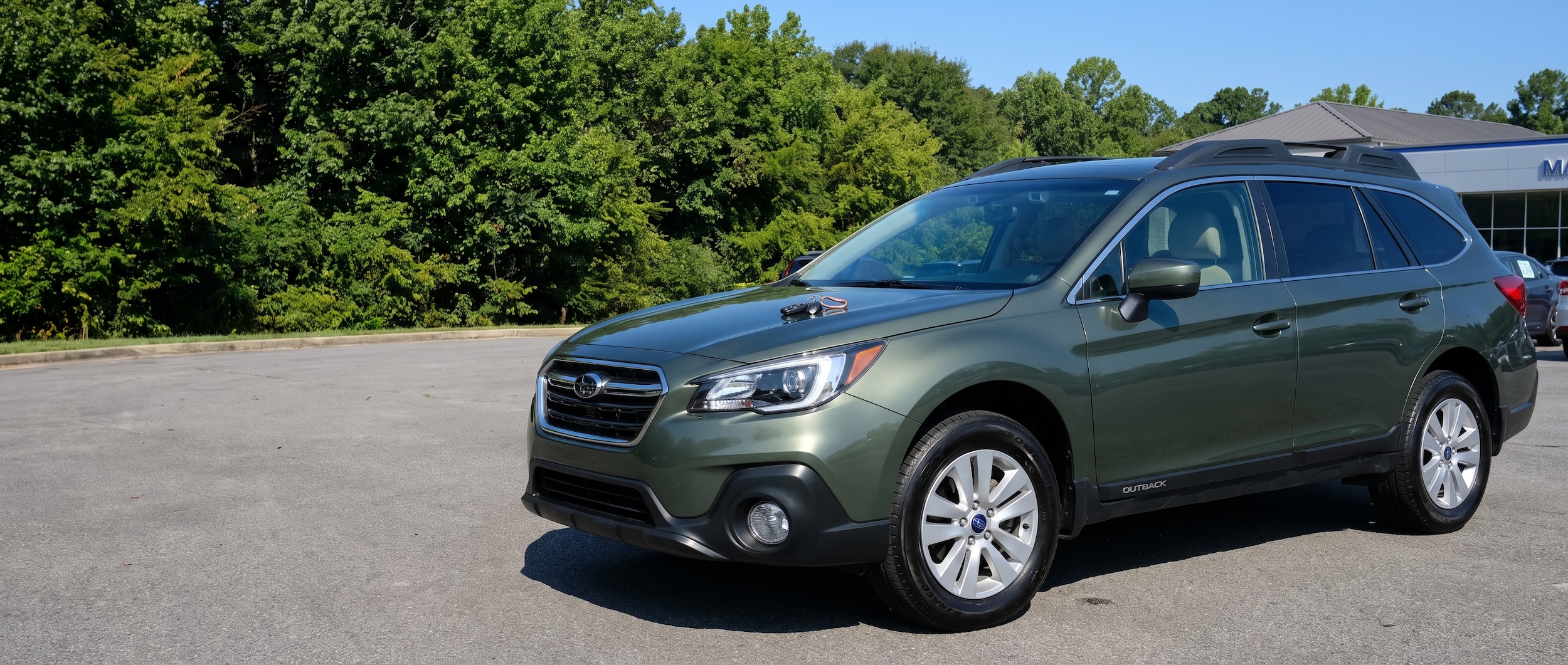
Trade-in numbers feel like a black box when you don't know what moves them. The good news is that the process is less mysterious than it feels, and Alabama law actually puts a meaningful tax advantage in your corner when you trade at a dealership instead of selling privately.
Your trade-in value comes down to four things (condition, mileage, market demand, and trim level), and handling the negotiation in the right sequence makes a real difference. Get a baseline estimate before you set foot on the lot.
What's Actually Going On? The Trade-In Concerns We Hear Most
What's actually going on is straightforward once you name it, because your car's worth is real but the appraisal turns on details you can influence, from condition and mileage to how you sequence the conversation at the desk. You show up knowing your car has value, unsure how the appraisal works, whether the number will be fair, or whether trading beats a private sale. Those are real concerns, not overthinking.
The table below maps the most common trade-in worries to what's actually causing them and what you can do about each one.
| Concern | What's really driving it | What to do |
|---|---|---|
| "The offer felt low" | Condition gaps the appraiser saw (worn trim, warning lights, interior wear) | Address cheap fixes before you come in; get a baseline value online first |
| "They'll bundle the trade into the new car price" | Negotiating both at once gives the desk more variables to work with | Settle the purchase price on the new vehicle first, then introduce the trade |
| "I owe more than it's worth" | Negative equity (which is real and common right now) | Know your payoff figure before you arrive; decide separately whether to cover the gap in cash |
| "I don't know what my car is actually worth" | No independent reference point | Pull a valuation online using your VIN before you come in |
| "Will Alabama tax me on the full new car price?" | Most buyers don't know about the state's trade-in credit | Alabama taxes you on the net difference only (see below) |
| "I don't know what to bring" | No one explained the paperwork | Title, current registration, loan payoff info if financed, and all sets of keys |
The Alabama Tax Credit Is the Part Most People Miss
Alabama's trade-in tax rule works in your favor, and it's worth understanding before you buy, because under Alabama Code Section 40-23-2(4), trading a vehicle at a dealership means sales tax applies only to the net difference between the new vehicle's purchase price and your trade-in credit. Not the full sticker. The difference.
Alabama's state automotive sales tax rate is 2% (the Alabama Department of Revenue confirms this is separate from the general 4% sales tax rate), and local Jefferson County and Birmingham rates stack on top of that. On a meaningful trade-in allowance, the tax savings from doing this at a dealership versus selling privately and buying separately can be real. Private sales don't give you that credit. The trade-in must appear on the same sales contract as the new purchase to qualify, so combining both transactions in one visit at Hallmark is actually the structure that makes this work.
One caveat is worth stating plainly. The savings depends on how much trade-in credit you receive, and that depends on what your car is worth on the day you trade.
None of this is a guaranteed windfall so much as a structure that rewards a clean, well-prepped trade.
Next step: Before your visit, reach out by phone or online and ask about our current Trade-Up Advantage process. Knowing the steps ahead of time keeps the appraisal moving and heads off surprises at the desk.
The Subaru Guaranteed Trade-In Program: A Lever Specific to This Brand
The Subaru Guaranteed Trade-In Program (GTP) ties your trade directly to your next purchase, and for Subaru owners it can set a floor under the offer, though it applies only to Subaru-to-Subaru trades on a newer model. Subaru runs a Guaranteed Trade-In Program that applies to Subaru-to-Subaru trades. Per Subaru's program guidelines (updated April 2026), the GTP sets minimum trade-in values for qualifying Subaru vehicles based on model year and mileage. The mileage thresholds as of April 2026 are:
- Model Year 2026: up to 15,000 miles
- Model Year 2025: up to 22,500 miles
- Model Year 2024: up to 30,000 miles
- Model Year 2023: up to 45,000 miles
- Model Year 2022: up to 60,000 miles
- Model Year 2021: up to 75,000 miles
Vehicles that exceed those mileage caps don't disqualify entirely. Subaru's guidelines reduce the GTP value by a set amount per mile over the threshold. The new Subaru you're buying must be at least one model year newer than the vehicle you're trading. The GTP value is updated monthly, so the number we show you on the lot reflects where the market sits today.
For Birmingham Subaru owners, the practical implication is simple. If you've kept your Outback or Crosstrek in good shape and under the mileage cap, the GTP sets a floor under the conversation. That floor is real protection against a lowball appraisal.
Tip: The GTP applies to the vehicle you're trading in rather than the one you're buying. A well-maintained Crosstrek with 28,000 miles, for example, is in a strong position relative to the program's criteria.
Condition Is What You Can Actually Control
Condition is the one variable you can move before an appraisal, and a little cheap effort here shows up in the offer, while pricey work like bodywork or paint correction seldom earns back what it costs. Focus your effort here.
Clean the car yourself. A thorough wash, vacuumed interior, and clean windows cost you almost nothing and matter to an appraiser the moment they open the door. Spending heavily on a professional detail rarely returns what it costs. The judgment call on cosmetic repairs is similar (cheap, obvious fixes like a burned-out bulb or a cracked wiper blade are worth doing). Expensive bodywork or paint correction usually costs more than it adds to the offer.
Address warning lights before you arrive. A lit check-engine light signals an unknown repair cost to an appraiser, and they'll price that uncertainty against you. Knowing the cause, even if you choose not to fix it, puts you in a better position to judge whether any deduction they apply is reasonable.
Gather your documentation. Your title is required for the ownership transfer. Bring current registration, your loan payoff amount if the vehicle is financed (call your lender beforehand for a current figure), and every set of keys. Maintenance records aren't required, but they tell a story about how the car was treated.
Understand what trims hold value on your specific Subaru. If you're trading an Outback, trim level and AWD spec are part of what appraisers look at. On the Crosstrek in particular, 2.5L-engined models (2021 and newer Sport and Limited trims) have held value more strongly than the older 2.0L Premium variants in the current used market.
One thing we notice when we appraise cars that spent their lives around Birmingham is the sun. Alabama's long, humid summers with direct exposure can cause UV chalking on Subaru's body cladding plastic (the dark plastic around wheel arches and lower body panels that turns grey or white). Restoring that plastic with a trim restorer before your appointment is worth the few minutes. An appraiser looks at condition holistically, and chalked trim reads as a car that wasn't maintained, even when everything mechanical is sound.
DIY vs. Bringing It to Our Team: Knowing the Line
You can handle a real chunk of the prep yourself, and the rest genuinely needs the dealership, so the line falls between what saves you time at home and what legally has to happen at the desk. Online valuation tools, a self-service wash, a basic inspection for warning lights, and pulling your payoff figure are all in your court and cost you nothing but time. What you can't do at home is the actual appraisal, the payoff coordination with your lender, or the paperwork that legally transfers title.
Here's the trade-off, stated straight. Trading in at a dealership returns a lower number than a private sale to an individual buyer. Private buyers sometimes pay more because they're motivated by the specific vehicle. The dealership offer reflects reconditioning costs and the lot's carrying costs. None of that is a secret or a trick. It's the math of how the wholesale and retail markets work.
What you get in return is one appointment, no classified listings, no strangers test-driving your car, no coordinating a payoff with a lender on your own, and the Alabama tax credit that applies only when the trade appears on the same contract as your new purchase.
If that trade-off makes sense for where you are in life right now, come in ready. If you're purely optimizing for cash and have the time for a private sale, we'll tell you that plainly too. We'd rather you walk in knowing what you're choosing.
Frequently Asked Questions
Q: Do I need to be buying a new Subaru to trade in my vehicle at Hallmark Subaru in Birmingham?
A: No. We appraise trade-ins whether you're buying new, buying pre-owned, or just want to know what your vehicle is worth. The Subaru Guaranteed Trade-In Program applies specifically to Subaru-to-Subaru trades on a new vehicle purchase, but a trade-in appraisal itself isn't contingent on what you're buying next.
Q: Should I tell the sales team about my trade-in before or after we discuss the new car price?
A: After, settle on the purchase price of the vehicle you're buying first, then introduce the trade. Handling them as separate conversations means the numbers are easier to evaluate on their own terms. Once a purchase price is agreed, bringing in the trade-in is a straightforward addition to the transaction, not a variable that complicates the original negotiation.
Q: What documents do I need to bring for my trade-in appraisal?
A: Bring your vehicle's title, current registration, all sets of keys, and your loan payoff amount if the vehicle is financed. Maintenance records aren't required but can support your case for good condition.
FAQ:
- Q: Do I need to be buying a new Subaru to trade in my vehicle at Hallmark Subaru in Birmingham? A: No. We appraise trade-ins whether you're buying new, buying pre-owned, or just want to know what your vehicle is worth. The Subaru Guaranteed Trade-In Program applies specifically to Subaru-to-Subaru trades on a new vehicle purchase, but a trade-in appraisal itself isn't contingent on what you're buying next.
- Q: Should I tell the sales team about my trade-in before or after we discuss the new car price? A: After, settle on the purchase price of the vehicle you're buying first, then introduce the trade. Handling them as separate conversations means the numbers are easier to evaluate on their own terms.
- Q: What documents do I need to bring for my trade-in appraisal? A: Bring your vehicle's title, current registration, all sets of keys, and your loan payoff amount if the vehicle is financed.
Categories:
Social